Key takeaways
- Most discomfort and swelling is concentrated in the first few days and improves steadily after that.
- Soft foods, gentle cleaning and following your aftercare instructions protect the healing area.
- The implant continues to integrate with the bone for months after the initial recovery.
For many patients, the anticipation of implant surgery is worse than the recovery itself. Knowing what is normal can make the first days much easier. This is a general guide, and your own instructions after surgery always come first.
The first day or two
It is normal to have some tenderness, minor bleeding and swelling around the treated area. Many patients describe the discomfort as a dull ache rather than sharp pain. Your specialist will explain which pain relief to use, and cold compresses on the outside of the cheek can help with swelling in the early period.
The first week
Swelling often peaks within the first few days and then begins to settle. Soft, cool or lukewarm foods are easiest during this time. Gentle rinsing and careful cleaning around the area, as instructed, help keep it clean while it heals.
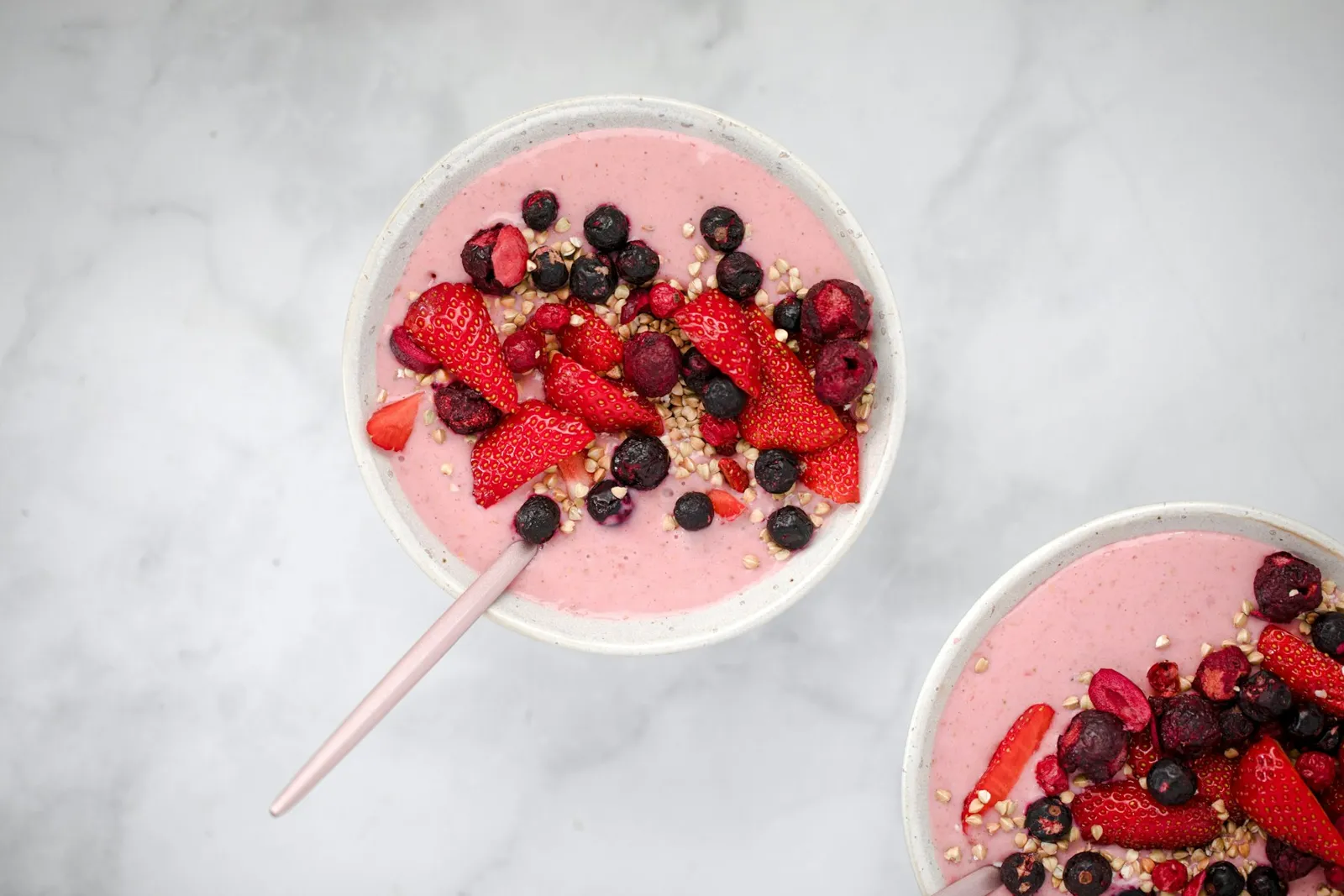
- Good choices: yogurt, smoothies eaten with a spoon, eggs, soups that are not too hot, mashed vegetables and soft fish.
- Best avoided at first: very hot drinks, crunchy or hard foods, chewy foods, and chewing directly on the treated area.
- Avoid smoking, which slows healing and increases the risk of problems.
The following weeks and months
Most people return to normal routines within days, although the area continues to heal for some time. Beneath the surface, the implant gradually integrates with the bone. This process, called osseointegration, takes months rather than weeks, which is why the final crown or bridge is usually fitted after a healing period. Learn more about the stages of treatment on our dental implants page.
If you have temporary teeth
Patients who receive temporary teeth, including those having full-arch implants, will be given specific guidance on what to eat while the implants heal. Temporary teeth are designed for appearance and light use, not for biting hard foods.
When to call the practice
- Bleeding that does not slow with gentle pressure.
- Swelling or pain that gets worse after the first few days rather than better.
- Fever, a bad taste or discharge from the area.
- A temporary tooth that becomes loose or breaks.